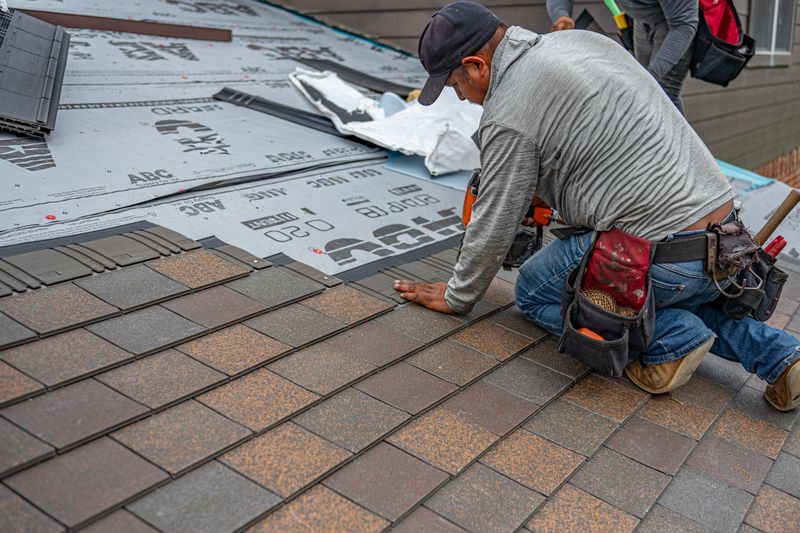
Asphalt shingles
Most common residential replacement path. The calculator compares 3-tab, architectural, and designer asphalt ranges.
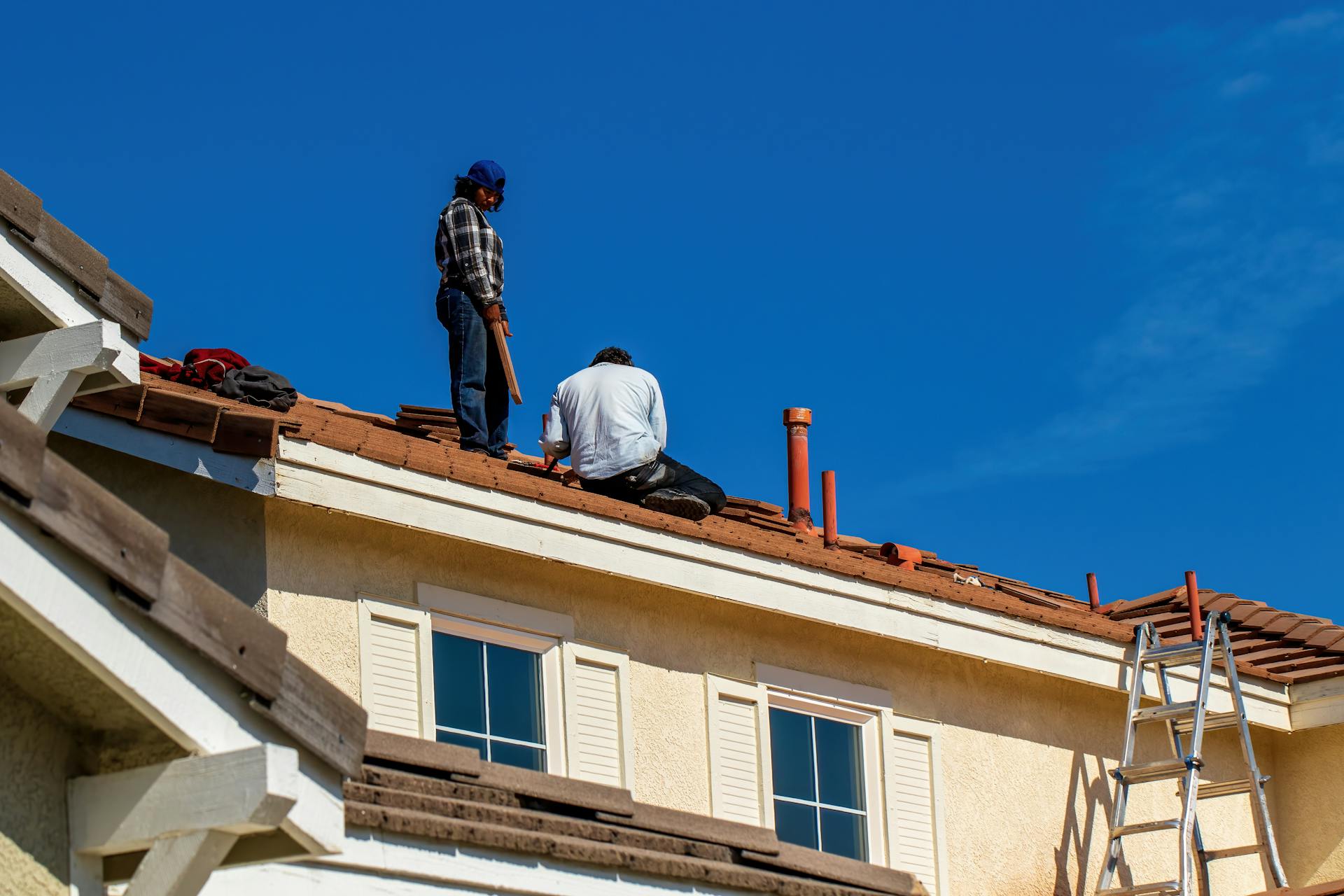
Estimate roof replacement cost by home footprint, pitch, waste, material, tear-off, and roof complexity. Residential and commercial — asphalt, metal, TPO, EPDM, tile, and more.
128 indexed URLs
Calculator + 96 roof cost guides
2026 data
HomeGuide, Homewyse, TOH, contractor ranges
No signup
Fast planning ranges before you call a roofer
2026 roofing cost estimator
Default mode only needs your home footprint. The calculator converts footprint to roof area, applies pitch and waste factors, then compares asphalt, metal, membrane, tile, cedar, and slate.
Most common residential roof: stronger curb appeal and better wind resistance than 3-tab.
Source basis: Weighted from Homewyse, This Old House, HomeGuide, and current contractor ranges.
Roofing systems covered
A roof estimate is more like pricing a truck package than pricing a tire: the base material matters, but pitch, tear-off, flashing, waste, and access decide the final range.
Asphalt shingles
Most common residential replacement path. The calculator compares 3-tab, architectural, and designer asphalt ranges.
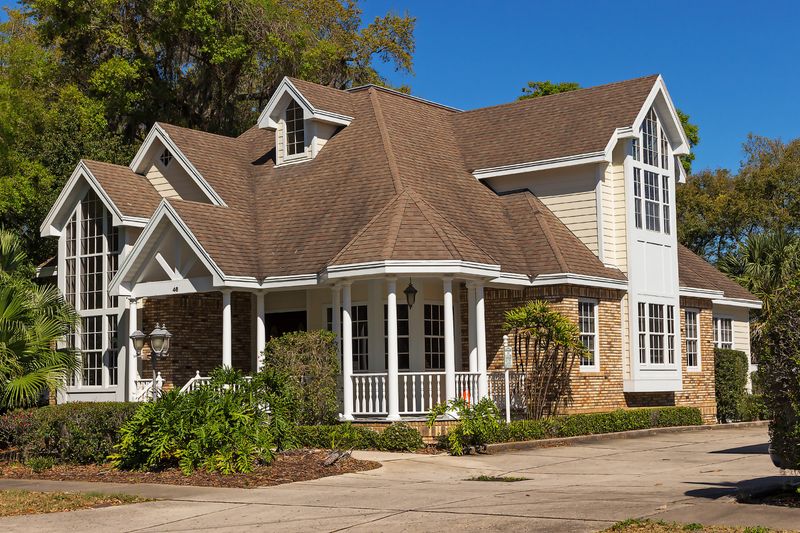
Metal roofing
Metal roofs swing widely by panel system, trim package, slope, and fastening method — exactly why side-by-side ranges matter.
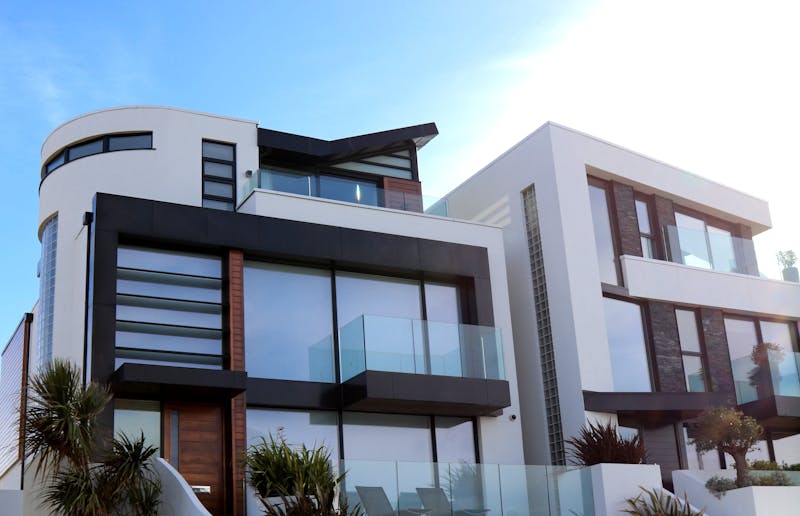
Premium roof systems
Tile, cedar, slate, and standing seam need bigger planning ranges because structure, access, and product selection change the quote fast.
Roofing FAQ
It is a planning estimate, not a contractor quote. The math uses 2026 national roofing cost ranges and adjusts for roof pitch, complexity, waste, stories, tear-off, flashing points, and decking repair allowance. Real quotes can change after a roof inspection because rot, ventilation, code requirements, access, and exact product selection matter.
Most homeowners know house square footage but not roof surface area. The calculator starts with footprint, then applies a pitch multiplier: low slope 1.00, standard 1.10, steep 1.18, and very steep 1.28. That produces a more realistic roof-area estimate than using footprint alone.
One roofing square equals 100 square feet of roof surface. If the calculator shows 24 squares, that means about 2,400 square feet of ordered roofing area after pitch and waste. Asphalt shingles are often sold around three bundles per square, so the calculator also estimates bundles for asphalt options.
Simple gable roofs often need about 8% waste. Moderate roofs with hips, valleys, or dormers often need about 12%. Complex roofs can need 17% or more. Waste covers cuts, starter/ridge pieces, mistakes, and matching material around roof details.
3-tab asphalt usually has the lowest upfront replacement cost. Architectural asphalt costs more but is the most common residential choice because it looks better and tends to last longer. Metal, tile, cedar, and slate cost more upfront but may provide longer service life.
Yes, if the tear-off toggle is on. The calculator adds a separate tear-off, disposal, and site cleanup line item. If your roof can legally and safely be overlaid, that line may be lower, but many replacements require removal first.
Metal can mean anything from exposed-fastener panels to premium standing seam. Slate varies by stone, roof structure, installer skill, and flashing details. The calculator separates exposed-fastener metal from standing seam and keeps slate as a premium planning range.
Permits, structural engineering, major framing repairs, gutter replacement, solar removal/reinstall, insurance claim supplements, and unusual access costs are not fully priced here. Those are job-specific and should be confirmed with an onsite roofer.
A new roof costs $5,500-$45,000 in 2026 depending on material and roof size. For a standard 2,000 sq ft home: 3-tab asphalt runs $5,500-$9,000, architectural asphalt $7,000-$13,000, metal roofing $14,000-$28,000, and slate or tile $25,000-$60,000+. Most homeowners spend $8,000-$14,000 on architectural asphalt.
Three-tab asphalt shingles are the cheapest roofing material at $3.50-$5.50/sqft installed ($350-$550 per square). For a 2,000 sq ft roof (20 squares), that's $7,000-$11,000 total. Architectural asphalt costs slightly more at $4.50-$8/sqft but lasts 10-15 years longer.
A metal roof is worth the cost if you plan to stay 15+ years. Metal roofing costs $7-$14/sqft installed vs $4.50-$8 for architectural asphalt, but lasts 50+ years vs 20-25 for asphalt. Metal roofs also reduce cooling costs by 10-25%, resist hail and high winds, and may qualify for insurance discounts.
Roof lifespan varies by material: 3-tab asphalt 15-20 years, architectural asphalt 25-30 years, metal roofing 50+ years, clay/concrete tile 50-100 years, slate 75-150+ years, and cedar shakes 20-30 years. Climate, ventilation, installation quality, and maintenance significantly affect actual lifespan.
Methodology
Roof quotes are sensitive to pitch, roof cut-up, access, waste, tear-off, flashing details, decking condition, and exact material. This calculator makes those variables visible instead of hiding everything behind one generic square-foot number.
Pricing is benchmarked against 2026 public cost data from HomeGuide, Homewyse, This Old House, BestRoofingEstimates, and metal-roof contractor ranges. Use it to budget, compare material paths, and sanity-check bids — then confirm with a local roof inspection.